What to Check Before Buying Land in the Poconos
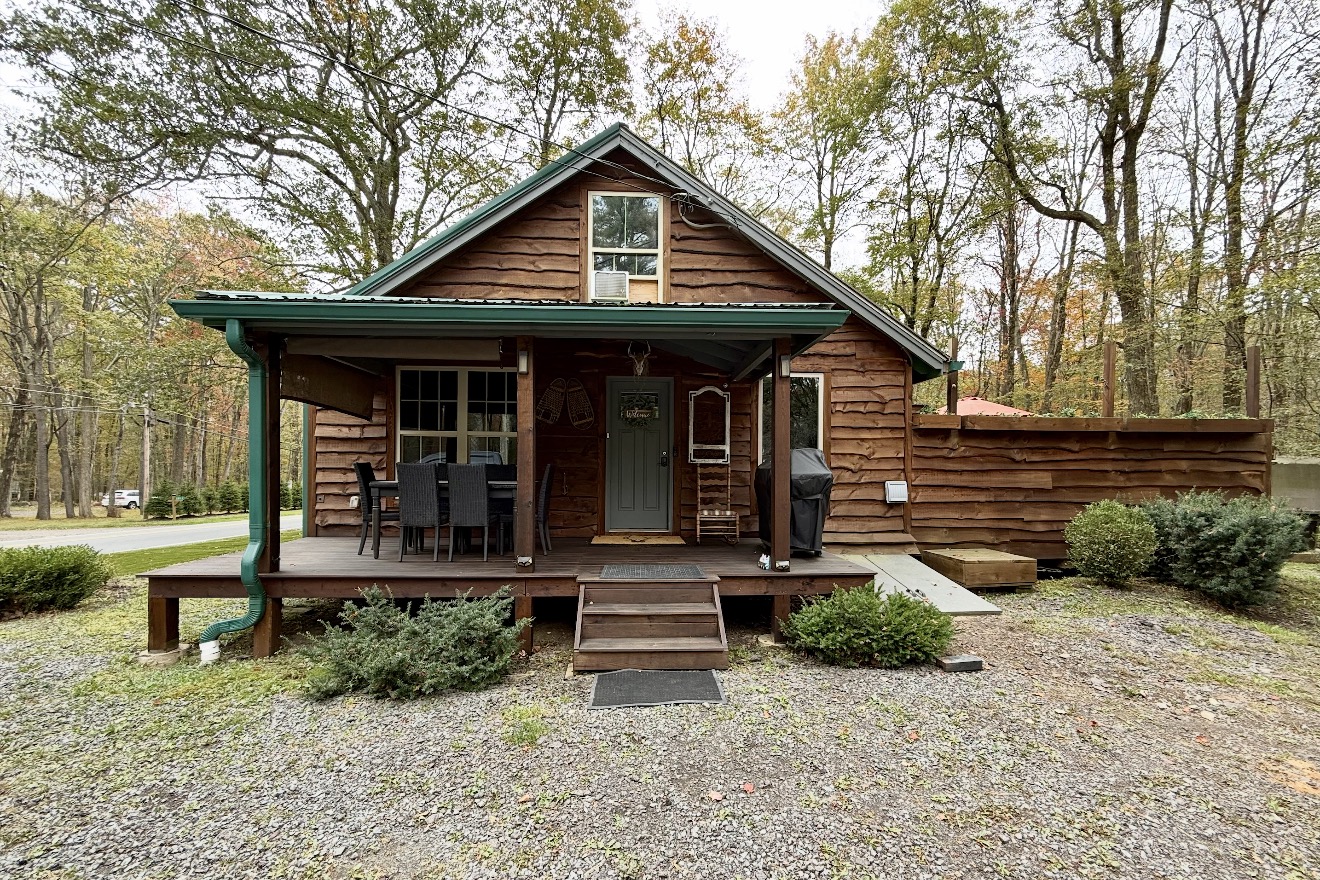
A wooded hillside in northeastern Pennsylvania can look like the ideal setting for a future home. However, one of the most common questions we hear is: What should I check before buying land to build on?
Before signing a purchase contract, you need to understand that raw acreage involves far more than boundaries and views. The physical characteristics of the ground, local municipal ordinances, environmental protections, and utility access determine what can actually be built, how long approvals will take, and the scope of your site preparation costs.
Our family's roots in the Poconos date to 1870, and as a fourth-generation builder working alongside my daughter, Mackenzie Seitz, who represents the fifth generation, we have seen how critical early due diligence is. SINC Construction LLC was founded in 2007, and our goal is always to help buyers make informed choices before committing their capital.
Soil Conditions and Septic Feasibility
Unlike urban or suburban areas served by municipal sewer mains, the vast majority of vacant building lots in the Pocono Mountains require an on-lot septic system. Never assume a property is buildable simply because it is platted or listed for sale.
Pennsylvania requires a site evaluation and soil percolation testing (perc testing) overseen by a certified local Sewage Enforcement Officer (SEO) under Pennsylvania Department of Environmental Protection (DEP) regulations. This testing assesses:
- Limiting zones: The depth to bedrock, seasonal high water tables, or impermeable soil layers.
- Percolation rates: How fast or slow the soil absorbs water.
- System type: Whether the property can support a standard in-ground system, an elevated sand mound, or an engineered drip or aerobic system.
It is also essential to distinguish between bedroom count, approved occupancy limits, and septic capacity. If you plan to build one of our custom homes in the Poconos or design for future expansion, your septic permit must be engineered and approved for the intended capacity, not just a bare minimum standard.
Topography, Rock, and Site Preparation
The Pocono plateau features varied terrain ranging from rolling woods to steep, rocky outcroppings. While sloping lots offer distinct architectural opportunities—such as walkout basements or elevated deck views—they also demand specific site engineering.
Key topographic factors to review include:
- Excavation and rock removal: Shallow bedrock requires specialized heavy equipment, hydraulic hammering, or blasting, which increases site prep expenses.
- Driveway grades: Local townships and emergency services frequently enforce maximum driveway slopes to ensure year-round fire and ambulance access, especially during winter months.
- Stormwater management: Clearing trees and creating impervious surfaces alters drainage. Depending on the township and the Monroe or Carbon County Conservation District guidelines, engineered stormwater detention basins or swales may be mandatory.
For an in-depth breakdown of these infrastructural requirements, read our guide on buying land in the Poconos: septic, wells, and site work.
Zoning, Easements, and Environmental Buffers
Every municipality enforces its own zoning ordinances regarding setbacks, maximum lot coverage, building height, and road frontage. Beyond standard township rules, you must evaluate natural overlays:
- Wetlands and streams: The presence of wetlands or exceptional value waterways requires state-mandated buffer zones where no earth disturbance or construction may occur.
- Utility and access easements: Check the property survey for existing rights-of-way, overhead power corridors, or conservation easements that restrict where the home can sit.
Community Associations and Land Use Rules
Many parcels across Blakeslee, Lake Harmony, Pocono Lake, and Pocono Pines sit within planned communities or property owners associations (POAs). These communities carry their own covenants, conditions, and restrictions (CC&Rs) separate from municipal law.
An association may dictate minimum square footage, exterior materials, roof pitches, tree clearing boundaries, and outbuilding allowances. If your long-term goal includes leasing, keep in mind that short-term rental permission must be checked for the individual property with the municipality and the applicable association before you purchase or build. Never assume every Pocono community permits short-term rentals, as municipal rules, deed restrictions, and association policies differ widely and require independent verification.
Essential Due Diligence Checklist
Before removing your inspection or feasibility contingencies on a parcel of land, ensure you have evaluated:
- [ ] Current SEO-certified perc test results and septic permit status.
- [ ] Professional boundary survey showing setbacks, easements, and rights-of-way.
- [ ] Wetland delineations if standing water, marsh vegetation, or slopes suggest poor drainage.
- [ ] Availability and proximity of electrical power and high-speed internet utilities.
- [ ] Township zoning requirements for minimum lot sizes, setbacks, and road access.
- [ ] Association bylaws, architectural review guidelines, and annual dues.
Understanding these steps early helps ensure our building process runs smoothly from design through final inspections.
Frequently Asked Questions
Can I rely on an older perc test on file for a vacant lot?
Not necessarily. While an older perc test can provide helpful historical context, environmental conditions, local regulations, and DEP standards change over time. Many municipalities and SEOs require current testing or site confirmation before issuing a building permit. Always confirm validity with the local Sewage Enforcement Officer.
What is the difference between a perc test and a septic permit?
A perc test evaluates the soil's suitability to absorb effluent at a specific depth and location. A septic permit is an official authorization issued by the municipality's SEO for an engineered system design tailored to the intended home size and layout.
Does owning the land guarantee I can build right away?
No. Ownership does not bypass local approvals. Before construction begins, you must obtain required permits, which may include zoning approval, driveway permits, stormwater plan approvals, conservation district reviews, and building code permits.
If you want to see the area for yourself, discover places to stay and plan a visit at poconotourism.com. When you are ready to evaluate a potential building site or discuss home designs, Contact SINC Construction to talk through your goals.
Sources Consulted
Discuss Your Pocono Project
Planning a custom home, vacation property, or investment home in the Poconos? Talk through your lot, your goals, and the next steps for your project.