Buying Land in the Poconos: Septic, Wells, and Site Work
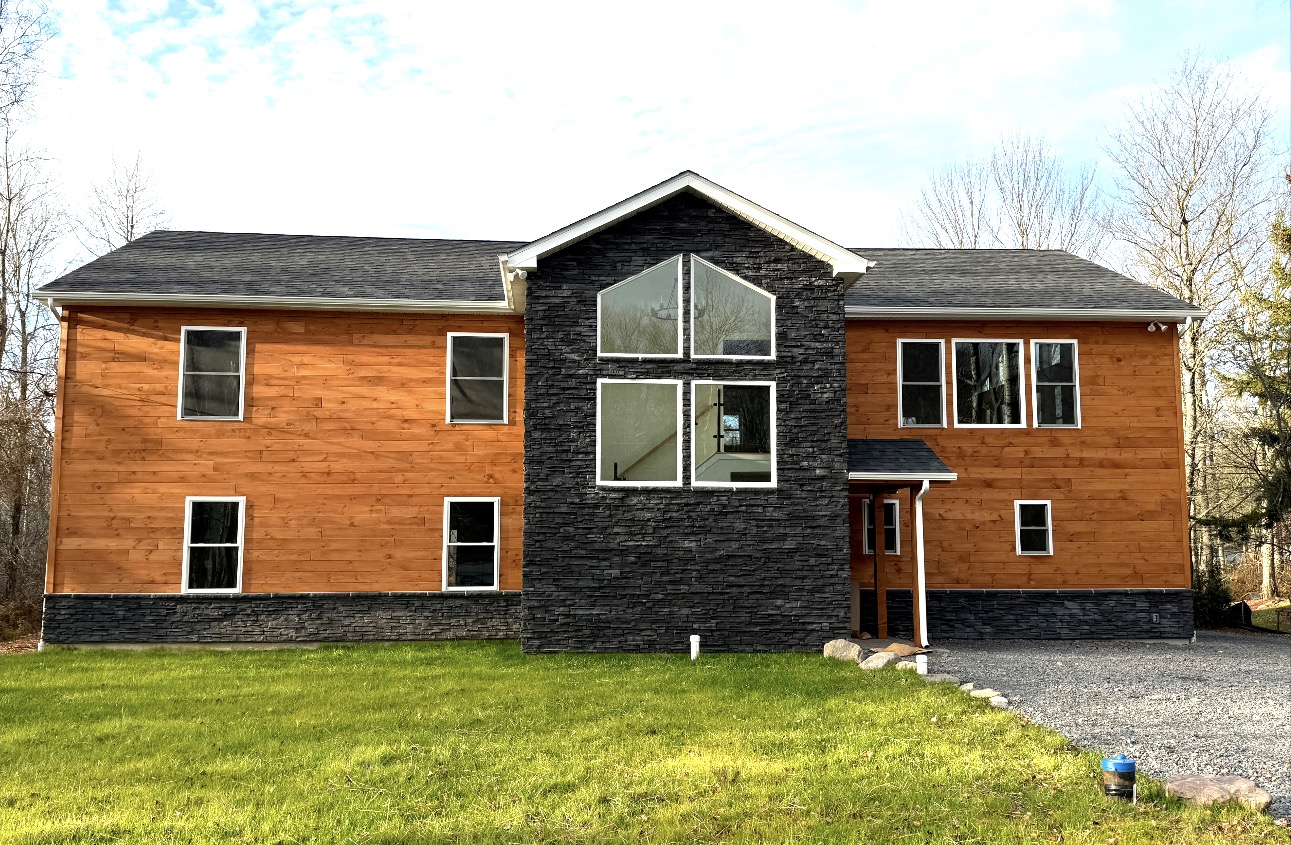
When people look at acreage in northeastern Pennsylvania, it is easy to picture where a wrap-around porch might sit or which trees should frame the morning sunrise. However, the fundamental truth of building is simple: the lot decides what can be built.
Prospective property owners frequently ask us: What should I check before buying land? Before falling in love with a scenic view, you must verify the site's physical and regulatory capacity. Soil conditions, topography, water availability, road access, and local rules dictate everything from your home's footprint to your total construction budget. Understanding these factors early protects your vision and avoids unexpected obstacles.
Our family's roots in the Poconos date to 1870, and my daughter Mackenzie Seitz and I continue our family legacy through building, construction, and real estate. SINC Construction LLC was founded in 2007 as a women-owned and operated builder based in Blakeslee. We build custom residences throughout Blakeslee, Lake Harmony, Pocono Pines, Pocono Lake, and neighboring communities. Because the Poconos is our home, we want to help others understand the area before building, buying, relocating, or investing.
Septic Testing and Bedroom Capacity
In many parts of the Pocono Mountains, public sewer connections are unavailable, requiring an on-lot septic system. Under Pennsylvania Department of Environmental Protection (PA DEP) regulations, every on-lot septic system requires a site investigation and soil testing conducted through the local municipal Sewage Enforcement Officer (SEO).
Key steps include:
- Deep Probe Testing: A backhoe excavates deep test pits to determine soil depth, identify restrictive layers (such as bedrock or dense fragipans), and locate seasonal high water tables.
- Percolation Testing ("Perc Test"): Measures how quickly water absorbs into the soil, helping determine system sizing and absorption area.
It is essential to understand the difference between bedrooms, approved occupancy, and utility or septic capacity. A septic permit is designed and approved based on a specific daily hydraulic flow, typically calculated by bedroom count rather than square footage. A lot that only supports a three-bedroom septic design cannot accommodate a six-bedroom floor plan without alternative engineering or off-site solutions approved by municipal authorities.
Never purchase raw land without an active, verified septic permit or a clear contingency allowing for thorough soil and percolation testing.
Private Wells and Potable Water
Most rural building sites also depend on private on-lot water wells. While modern drilling techniques can access deep regional aquifers across Monroe, Carbon, and surrounding counties, well placement involves careful planning:
- Isolation Distances: State and municipal rules mandate minimum isolation distances between private wells and potential contamination sources, including septic absorption areas, septic tanks, property boundaries, and driveways.
- Yield and Water Quality: Well depth and flow rates vary significantly across mountain terrain. Testing local groundwater quality and verifying filtration needs are important steps during initial planning.
When evaluating a parcel, you must coordinate well placement and septic absorption fields simultaneously to ensure both can legally and practically fit within the property setbacks.
Access, Driveways, and Right-of-Ways
Getting equipment and utility lines onto a lot requires sound logistical planning:
- Driveway Permits: If your property borders a state road, you must secure a Highway Occupancy Permit (HOP) from PennDOT. Properties fronting township or community association roads require municipal or HOA driveway approvals.
- Topography and Slopes: Steep slopes require extensive excavation, grading, and culverts to ensure proper drainage and all-weather vehicle access.
- Utility Extensions: Check the physical distance to electric lines and broadband infrastructure. Extending utility poles across long private drives can introduce notable infrastructure expenses.
Community Regulations and Use Restrictions
Beyond topography and soils, regional governance plays a massive role in land evaluation:
- Short-Term Rental Rules: If you plan to operate a vacation rental, remember that short-term rental permission must be checked for the individual property with the municipality and the applicable association before you purchase or build. Rules differ widely across municipalities and individual subdivisions.
- Building Envelopes: Property line setbacks, wetland buffers, and storm runoff easements shrink the buildable portion of your parcel.
For a broader look at organizing your plans, review Building a Home in the Poconos: Where to Begin and read our Custom Home Consultation Checklist for Pocono Buyers.
Due Diligence Checklist for Raw Land
Before you sign a purchase agreement, make sure your team reviews:
| Item | Verification Step | Authority / Specialist | | :--- | :--- | :--- | | Septic Feasibility | Confirm valid permit or soil probe/perc results | Municipal Sewage Enforcement Officer (SEO) | | Well Location | Check separation distances from septic and lines | Well driller / Site engineer | | Driveway Access | Secure sight-distance and permit requirements | PennDOT or Local Township / HOA | | Zoning & Covenants | Verify setbacks, height limits, and rental rules | Township Zoning Officer & HOA Board | | Environmental | Identify wetlands, rock outcroppings, and steep grades | County GIS / Environmental consultant |
Taking time to examine these items before closing ensures that your chosen parcel aligns with your architectural goals, whether you are planning custom homes in the Poconos, exploring POCONO A-FRAME designs, or designing larger vacation properties.
Frequently Asked Questions
Can I use an older perc test from a previous owner?
Older percolation tests may expire or may not reflect current PA DEP regulations. Always confirm with the local municipal Sewage Enforcement Officer whether an existing test is valid or if retesting is required before finalizing design plans.
What if a lot fails a standard perc test?
Failing a traditional percolation test does not always mean a lot cannot be built on. Alternate systems—such as elevated sand mounds, drip irrigation, or advanced secondary treatment units—may be permitted, subject to site conditions, adequate soil depth, and municipal SEO approval.
Does owning acreage mean I can build any size house?
Not necessarily. Lot size does not guarantee building scale. Property setbacks, protected environmental features, and septic absorption capacity dictate your maximum bedroom count and buildable footprint.
If you are weighing a build, you are welcome to discuss your plans with us at sincconstruction.com. You can also Contact SINC Construction directly to discuss your site considerations and explore our building process.
Sources Consulted
Discuss Your Pocono Project
Planning a custom home, vacation property, or investment home in the Poconos? Talk through your lot, your goals, and the next steps for your project.