Designing a Pocono Roof for Snow Load and Winter Weather
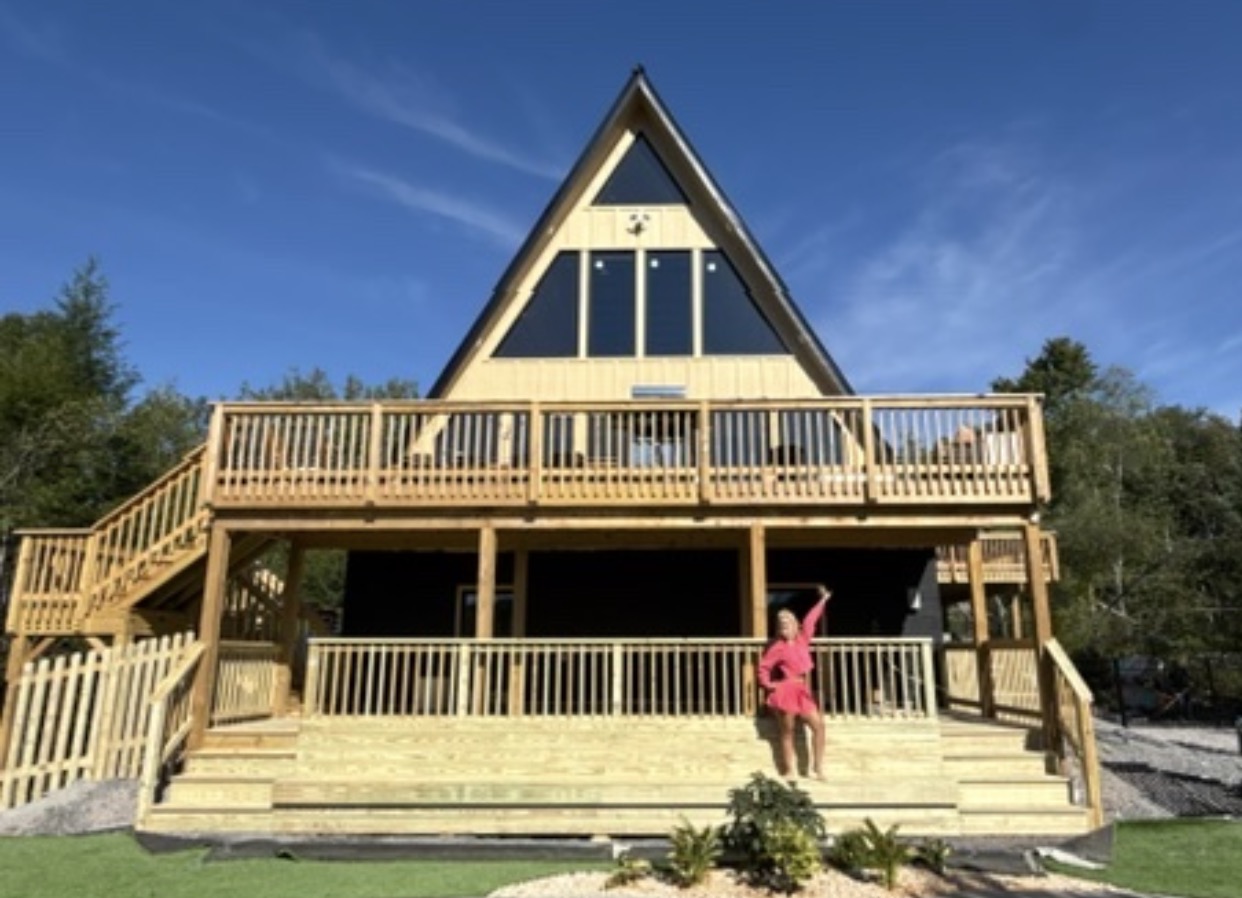
If you are planning to build in northeastern Pennsylvania, winter conditions are among the most critical factors in structural design. A common question prospective property owners ask is: How is a Pocono home designed for snow? The short answer is that a mountain roof is an integrated system combining structural framing calculated for specific ground snow loads, smart roof pitch, continuous underlayment protection, and balanced ventilation that manages attic temperature and prevents ice buildup.
Our family's roots in the Poconos date to 1870, and as fourth- and fifth-generation builders continuing our family legacy through building, construction, and real estate, my daughter Mackenzie Seitz and I know that mountain weather demands respect. SINC Construction LLC was founded in 2007, and we have always believed in helping clients understand the practical realities of our region before building or relocating.
Understanding Local Snow Loads and Structural Framing
In standard residential construction, building codes establish design ground snow loads based on regional climate data. Across northeastern Pennsylvania and the Pocono Plateau, ground snow load requirements are significantly higher than those in lowland or coastal areas.
Snow load is not just about the depth of powder on your shingles; it accounts for the weight of dense, wet snow, successive storms that accumulate over weeks, and the additional weight of refrozen ice. When designing custom homes in the Poconos, structural trusses or engineered rafters must be sized and spaced according to local building code standards. Key engineering considerations include:
- Balanced and Unbalanced Loads: Snow rarely sits evenly across a roof. Prevailing winter winds shift snow, creating drifting on leeward slopes or behind dormers and parapets that requires reinforced structural framing.
- Dead Load vs. Live Load: Dead load refers to the weight of the roofing materials themselves (such as heavy timber or architectural shingles), while snow represents a live, transient load that varies dramatically throughout winter.
- Proper Load Paths: Weight collected on the roof must transfer seamlessly through exterior bearing walls and support posts straight down to the foundation.
Roof Pitch: Balancing Shedding and Retention
Roof slope plays a major role in how a house manages snow. Steeper roofs, such as those found on classic POCONO A-FRAME designs, naturally encourage snow to slide off before immense weight can accumulate. However, pitch selection involves trade-offs that require careful architectural planning:
- Steep Pitches (8:12 to 12:12 or greater): Shed snow quickly, reducing continuous weight on the structural frame. However, falling snow and ice can accumulate heavily around entrances, walkways, decks, and utility meters below.
- Moderate Pitches (4:12 to 7:12): Retain snow longer, requiring trusses engineered for prolonged weight bearing. These roofs often benefit from snow guards or split-shed orientations that protect high-traffic entryways.
- Valleys and Intersections: Complex rooflines with multiple gables and dormers create valleys where snow naturally drifts and packs. These areas demand specialized flashing and ice-and-water protection.
Preventing Ice Dams: The Insulation and Ventilation Connection
Many homeowners assume ice dams are caused by failing shingles, but they are almost always the result of poor thermal performance beneath the roof deck. An ice dam occurs when heat escapes from the living space into the attic, warming the upper roof deck and melting the bottom layer of snow. That water runs down toward the cold eaves, freezes into a solid ridge of ice, and pools incoming water back up underneath the shingles.
Preventing this issue requires a cohesive approach:
- Continuous Air Sealing and Insulation: Stopping warm air leaks from the conditioned space into the unconditioned attic or rafter bays is the primary defense.
- Balanced Ventilation: Installing soffit intake vents paired with a continuous ridge vent allows cool, outside air to circulate beneath the roof sheathing. This keeps the roof deck at a uniform temperature close to the outside air.
- Self-Adhering Underlayment: Building codes in cold climates mandate self-adhering, waterproof membrane (often referred to as ice-and-water shield) installed along the eaves. In the Poconos, running this membrane beyond the minimum standards—especially in roof valleys, around chimneys, and along low-slope sections—provides essential secondary defense.
For more on seasonal home maintenance, see our guide on preparing a Pocono home for winter.
Selecting Roofing Materials for Mountain Climates
Not all roofing materials perform equally under sustained freezing, freeze-thaw cycling, and wind-driven snow. When reviewing materials during our building process, we consider both performance and aesthetic goals:
- Architectural Asphalt Shingles: Heavyweight dimensional shingles offer durable protection, clean aesthetics, and cost-effective installation when paired with a complete ice barrier membrane.
- Standing-Seam Metal Roofing: Metal surfaces shed snow quickly and eliminate exposed fasteners that can back out during freeze-thaw cycles. They are especially beneficial on modern builds or high-pitch designs.
- Snow Retention Systems: On metal or steep roofs above doorways, garage bays, and HVAC equipment, engineered snow guards help break up snow blankets or hold them until they melt safely.
When planning site layout alongside your rooflines, reviewing driveway access, slope, and site work on a mountain lot helps ensure that roof runoff and plowed snow do not compromise parking or entry paths.
Pocono Winter Roofing FAQs
What pitch is best for a Pocono roof?
There is no single best pitch; it depends on the home's architecture, site exposure, and ground plan. Steeper pitches shed snow easily, while moderate pitches keep snow in place longer, requiring engineered framing and carefully placed entries to keep walkways safe from shedding snow.
Do metal roofs perform better than shingles in heavy snow?
Metal roofs shed snow far more rapidly and resist ice dam backup effectively because they have smooth, interlocking vertical seams. However, high-quality architectural shingles perform reliably when supported by proper attic ventilation and comprehensive ice-and-water underlayment.
Does snow act as insulation on a roof?
While undisturbed snow on a roof provides minor thermal resistance, it also represents substantial weight. Structural engineering must account for full design loads rather than relying on snow retention for energy performance.
Careful planning ensures your Pocono home remains safe, warm, and durable through every winter season. If you are planning a new build or want to discuss your ideas, contact us or Contact SINC Construction to talk about your vision. If you want to see the area for yourself, discover places to stay and plan a visit at poconotourism.com.
Sources Consulted
Discuss Your Pocono Project
Planning a custom home, vacation property, or investment home in the Poconos? Talk through your lot, your goals, and the next steps for your project.